Searching for dependable South St Paul pest control? Select qualified technicians who carry out targeted inspections, locate pest types and access areas, and apply calibrated, low-toxicity treatments following seasonal trends. You'll receive photo-documented findings, SDS/label transparency, and threshold-based follow-ups using detection equipment-avoiding blanket reapplications. Count on IPM-focused crack-and-crevice work, sealed entry points, and pet-safe scheduling with detailed reentry guidance. Evaluate written bids, guarantees, and MDA credentials to make informed decisions. Learn about preventive measures, pricing factors, and how trusted providers stand behind results.
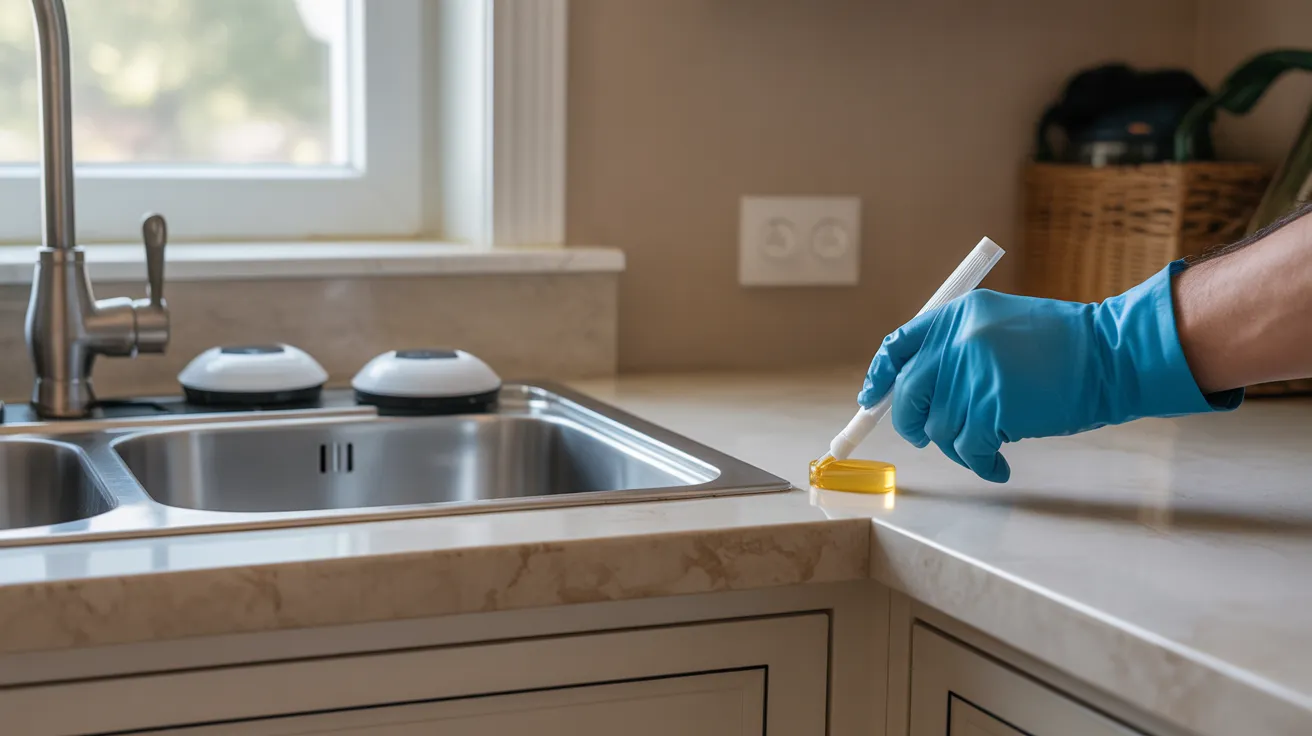
Main Highlights
- Certified, bonded South St. Paul technicians provide thorough inspection documentation, precise application services, and detailed product information with every appointment.
- Fast and reliable outcomes using IPM: strategic treatments, void and gap applications, and environmentally conscious products matched to pest occurrence trends.
- In-depth evaluations identify pest species, entry points, moisture problems, and harborage areas; comprehensive photo logs and written findings direct targeted solutions.
- Pet-safe scheduling and treatment protocols with thorough verification and monitoring processes to confirm results and eliminate unnecessary follow-ups.
- Preventive maintenance includes blocking openings, maintaining vegetation, repairing leaks, and maintaining clean perimeters to stop ants, rodents, and wasps throughout the year.
Professional Pest Control: A Necessity for South St Paul
Although DIY sprays appear convenient, expert pest management in South St Paul delivers better, safer, and more sustainable solutions. You benefit from detailed assessments, precisely measured treatments, and documented follow-up visits that conform to state guidelines and product standards. Certified specialists locate access points, water issues and contributing factors, then use measured doses with proven equipment to limit chemical exposure and pest resistance.
You'll also benefit from data-driven scheduling that factors in seasonal trends, ensuring treatments match peak activity and reproductive cycles. Specialists use EPA-registered materials and incorporate non-chemical tactics-exclusion, sanitation guidance, and habitat modification—to reduce risks and prolong control. They keep records for warranty support and compliance, and they will modify strategies if monitoring detects rebound pressure. The outcome: fewer callbacks, decreased total cost of ownership, and dependable protection.
Area Pests: Understanding Their Patterns
You'll observe ants in South St Paul establish satellite nests around food and water areas, with ant workers using pheromone paths to basements, kitchens, and wall cavities. You'll typically find rodents to be especially busy during evening and nighttime, traveling along established routes along utility lines and walls to reach food and warmth. When you recognize these habits, you can focus on monitoring, entry points, and sanitation with higher accuracy.
Ant Colony Nesting Habits
Peek beneath concrete structures and foundation elements, and you'll understand why ants flourish in South St. They favor moist, compacted soil, making homes under structural gaps and foundation seams. You'll notice ground tracks radiating from tiny openings; these indicate travel lines to sustenance and moisture. The majority of area ants eat various foods, but sweet substances prompts quick exploration after rain or yard irrigation.
Colonies construct complex dwelling spaces with brood positioned in warm, humid areas. In spring, winged swarmers emerge to start satellite colonies, frequently changing position when disturbed or when humidity shifts. You'll observe workers tracking chemical paths, recruiting nestmates to steady supplies, like kitchen scraps and plant secretions. Examine ant droppings prior to concluding termite activity. Seal entry points, decrease ground cover thickness, and address plumbing problems to prevent nest establishment.
Patterns in Rodent Behavior
During nighttime hours, rats and mice in South St. Paul are typically most active. These nocturnal creatures utilize quiet periods to search for food, build nests, and travel. You'll notice their presence following structural edges, power lines, and foundation perimeters, following scent trails and using whisker navigation. Inside buildings, rodent activity peaks in areas with food storage, pet bowls, and household clutter. Outside, these rodents track more info along fence lines, stacked wood, and thick vegetation.
You can expect weather-driven changes. Freezing temperatures drive rodents indoors; higher temperatures increase territories. Seasonal movement patterns occurs as feeding patterns vary, particularly near warehouses, water sources, and city passages. Listen for scratching, monitor for fresh droppings, and examine for gnaw marks on cables and access points. Seal gaps larger than 1/4 inch, reduce harborage, and set up detection devices on runways to track movement patterns.
Identifying Signs of an Infestation
Keep an eye out for signs of nests and droppings, as these are clear signs of active pests. Should you detect unexplained scratching sounds at night, you're probably hearing pests or vermin in structural spaces. Chewed wires or wood signal gnawing activity that poses risks to safety and structure and needs quick professional evaluation.
Signs of Droppings and Nesting
When subtle clues point to pests, finding droppings and nests clearly shows that unwanted creatures have moved in. You should thoroughly examine kitchens, basements, garages, and attics with a flashlight. Check for rodent droppings along baseboards, behind appliances, and near food storage; fresh pellets appear dark, moist, and soft, while aged droppings appear gray and crumbly. Identify wasp nest formations beneath overhangs and outdoor structures; occupied nests usually have visible wasp movement in daylight hours.
You'll notice evidence including damaged insulation, bite marks on packaging, or grease trails by potential entrances. Never touch the nests or dry-sweep droppings - these can release harmful allergens or pathogens. Instead, document with photos, ensure proper air circulation, and contact a professional to determine the type of pest, infestation level, and proper removal procedures.
Unusual Nighttime Sounds
Besides visible evidence, what you hear during nighttime can confirm wildlife movement overlooked during the day. Pay attention to scraping sounds in building cavities, particularly between nightfall and daybreak. Quick, random movement typically suggests minor pest activity; more substantial noises can indicate more sizeable pests. Repetitive gnawing or rustling in insulation often coincides with nesting activity. Learn to distinguish pest noises from normal building sounds: pipe sounds occur with water usage, while air system noise corresponds to usage. If sounds stop when you knock on surfaces, that's a clear sign of current infestation.
Document the timing and location of sounds. Record rooms, time stamps, and weather, as some pests show more activity in dry or cold environments. Make quick audio recordings. Provide your documentation to a certified expert for specific assessment.
Wire and Wood Damage
When you discover chewed wires or gnawed wood, it's a crucial red flag that pests, particularly rodents, have established a presence. This represents more than surface damage - these pests maintain their incisors through chewing, leading to safety risks, water leaks, and compromised building integrity. Make sure to inspect key areas like attics, crawl spaces, and appliance surroundings. Look out for damaged wiring, chewed beams, and compromised insulation near electrical boxes or along conduits. In attic spaces, disrupted or old insulation typically hides animal routes and evidence, indicating active infestations.
Document locations, then disconnect power to faulty circuits and refrain from touching exposed wiring. Schedule professional inspections to verify species, entry points, and nest sites. An all-encompassing response—removal, sanitation, targeted trapping, and safe repairs—minimizes risk and prevents re-infestation. Prompt action ensures safety, property value, and compliance.
Inspection and Assessment: What Technicians Look For
Begin with a methodical walkthrough that charts where pests inhabit, wander, and nourish themselves. Technicians review entry points, moisture sources, and harborages with flashlights and inspection mirrors. They record droppings, rub marks, frass, webbing, and destroyed materials to identify species and population pressure. You’ll see them log infrastructure vulnerabilities—gaps at utility penetrations, ripped screens, unsealed doors, and foundation cracks—and link activity with cyclical patterns that drive migrations in South St Paul.
They evaluate conducive conditions: humidity in basements, crawl spaces, and attics; temperature variations; and food sources from refuse, pet food, or clutter. Exterior scans evaluate vegetation contact, landscaping, and standing water. Technicians validate nests, runways, and flight paths, check sanitation gaps, and record findings with photos and notes to justify compliant, data-driven recommendations.
Secure, Precise Therapy Methods That You Can Anticipate
While all property is distinct, you can expect technicians to combine the inspection data with Integrated Pest Management (IPM) tactics that emphasize safety and precision. They’ll identify hotspots, identify species, and adapt interventions to biological needs. You’ll witness crack-and-crevice applications restricted to harborages, sealed entry points, and monitoring to ensure results.
Expect targeted baits placed where pests forage, reducing broadcast exposure and maximizing uptake. For bed bugs or heat-tolerant pests, thermal remediation treats zones to lethal temperatures while preserving structures. Technicians calibrate sensors, maintain dwell times, and document readings for compliance.
Where warranted, remaining products are utilized to labeled surfaces at the lowest effective rates. Follow-up assessments assess decrease using monitoring traps and photographic records. You will receive written findings, product labels, and specific post-service instructions.
Environmentally Friendly and Safe for Families
You have the option to select low-toxicity treatment plans that follow EPA guidelines while still controlling pests effectively. Technicians use pet-safe application methods-such as targeted baits and crack-and-crevice treatments-to reduce exposure. When available, they apply environmentally-safe products with verified efficacy and residue profiles suitable for houses and loved ones.
Reduced-Toxicity Treatment Protocols
Often the most reliable solution is additionally the most effective: low-toxicity pest control uses targeted, science-backed methods that reduce exposure to people, pets, and the environment. You obtain results by combining inspection-driven plans with reduced-risk products and exact placement. Technicians focus on Integrated Pest Management: exclude entry points, remove food and moisture, and apply controls only in areas that needed.
You’ll observe evidence-based tools such as organic baits with insect growth regulators to disrupt lifecycles, and herbal repellents derived from essential oil actives that deter pests without broad residuals. Providers opt for EPA-reduced-risk or FIFRA 25(b) options when necessary, check labels, and determine exact dosages for your home’s square footage and pest pressure. Ongoing monitoring with sticky traps and threshold-based re-treatment guarantees efficacy while maintaining chemical load low.
Pet-Safe Application Methods
Because pets navigate surfaces, lawns, and baseboards, pet-safe pest control in South St. focuses on specific, non-toxic application and scheduling. You’ll minimize risk by focusing treatments in gaps, wall voids, and outside areas, not broad areas. Use gel baits in secured stations instead of broad sprays; they’re pet behavior friendly and minimize drift. Apply desiccant dusts (e.g., silica) in hard-to-reach voids with low-pressure equipment to prevent tracking. Schedule treatments when pets can be tied, crated, or taken away, and air out rooms before returning. Place monitors to verify activity and avoid unnecessary redoing treatments. Wipe food bowls, toys, and bedding before bringing them back. Adhere to EPA label directions, observe reentry intervals, and document each step. These methods protect pets while maintaining efficient, professional control.
Products that are Green-Certified
A environmentally friendly program in South St. Paul emphasizes EPA-registered products and integrated pest management, providing effective control with minimal risk profiles. You enjoy organic formulations and targeted baits that reduce residues and drift. We identify active ingredients, use only as needed, and document label compliance during each appointment.
You’ll witness botanical extracts—like pyrethrins and essential-oil actives—used as needed, along with reduced-risk insect growth regulators that break life cycles without widespread effects. We do not use organophosphates and restrict neonicotinoids unless there is a significant reason to do so. Applicators adhere to calibrated dosing, indoor crack-and-crevice placement, and exterior perimeter bands to protect children, pets, and pollinators.
You receive SDS access, ingredient transparency, reentry intervals, and ventilation guidance. Results are verified with monitors, not blanket reapplications.
Preventive Measures to Ensure Pests Out Year-Round
Staying in front of pests in South St. requires implementing proven prevention practices all year long. Begin with entryway maintenance: seal foundation cracks to 1/4 inch or smaller, weather-strip doors, add door sweeps, and fix screens (mesh size 18x16 or finer). Fit tight-fitting lids on trash, and store food in sealed containers. Repair leaks, insulate cold pipes to reduce condensation, and keep indoor humidity under 50 percent with airflow or dehumidifiers.
Make use of seasonal landscaping for the purpose of reducing harborage. Keep a one foot to one and a half foot vegetation-free perimeter, cut shrubs clear of siding, and maintain grass trimmed. Store firewood a minimum of 20 feet from the house and 5 inches off the ground. Maintain gutters in order to prevent standing water. For outside barriers, apply EPA-registered products according to the label, and set up inspections each spring and fall to identify early activity.
Which Elements Affect Costs and How to Budget
Although each residential property and pest issue is different, pest control costs in South St. is influenced by pest type, the severity of the infestation, property size, treatment method (chemical treatment, bait systems, heat), the number of visits required, and monitoring after treatment. Bed bugs, termites, and wild animals usually are more expensive more due to labor and specialized equipment. One-time treatments are cheaper initially; integrated plans reduce the risk of re-infestation and expenses over time. Challenges related to access (crawlspaces, disorder) and calls after regular hours add premiums.
Establish a realistic budget by getting formal scopes including materials, visit counts, and guarantees. Implement seasonal budgeting: designate more for the summer season spikes and maintain a small emergency fund for sudden infestations. Evaluate initial versus total annual cost, accounting for inspections and preventive services. Request bundled pricing and reservice terms to avoid surprise expenses.
How to Select a Licensed, Trustworthy Provider
Before you sign a contract, check the company’s Minnesota Department of Agriculture (MDA) certification, applicator certification, and coverage, then confirm they adhere to Integrated Pest Management (IPM) approaches. Request for the certification number and search for it on the MDA verification portal. Prefer companies employing licensed contractors with valid pesticide applicator credentials and recorded safety training.
Request a written inspection report describing species, source, treatment products (EPA-registered), application rates, and safety precautions. Compare at least three bids with matching scopes. Review customer reviews on various platforms and check complaint histories with the Better Business Bureau and the MDA. Ensure the provider discusses non-chemical options, entry-point exclusion, and sanitation. Make certain that transparent pricing, clear scheduling, and labeled vehicles. Avoid ambiguous diagnoses, cash-only demands, and pressure tactics.
Commitment to Quality, Continued Engagement, and Ongoing Protection
Although there is a thorough initial treatment, effective pest control in South St. Paul requires documented service guarantees, scheduled follow-ups, and ongoing protection plans. You should verify written satisfaction guarantees that outline response times, retreatment triggers, and coverage limits. Seek clarity on exclusions (e.g., wildlife, moisture issues) and how claims are handled.
Demand follow-up visits calibrated to pest biology—generally two to four weeks for insects that reproduce quickly—and monitoring devices to verify population decline. Professionals should document observations, alter the products used and their application, and detail any safety precautions.
For long-term defense, select a care program that tackles seasonal pressures, outdoor boundary defenses, and sanitation recommendations. Monitor warranty expirations so coverage never lapses. Demand proof of licensing, product information, and maintenance logs for regulatory compliance and quantifiable outcomes.
Questions We Frequently Encounter
Do You Offer Emergency Pest Services on the Same Day or After Hours?
Certainly. You can schedule same-day and emergency pest services. You’ll get in touch with a dispatcher who implements emergency protocols, assesses risk factors (biting insects, rodents, nests of wasps), and triggers a rapid response. A licensed tech arrives with EPA-registered products, inspects entry points, mitigates immediate hazards, and logs findings. You’ll get clear next steps, advice on prevention, and arrangements for follow-up. Contact us, send a message, or schedule online; after-hours surcharges and geographic limits could be applicable.
Can Technicians Service Multi-Unit Buildings and Coordinate With Property Managers?
Absolutely, you can get technicians who maintain multi‑unit buildings and coordinate directly with property managers. Similar to sending a telegram, effective communication is at the forefront of the battle: centralized scheduling streamlines access, notices, and keys. They’ll conduct integrated inspections across units and common areas, use staggered treatments to break pest life cycles, and log results. You’ll receive tenant education materials to minimize attractants and ready units. All methods align with IPM standards and satisfy with lease and local health regulations.
Are there bilingual technicians ready to assist with on-site communication?
Yes. You can request bilingual support for on-site communication. Spanish technicians are available in many service areas, and if a bilingual tech isn’t scheduled, onsite translators or phone interpretation can be arranged. When booking, specify language needs, unit count, and access constraints. You’ll receive confirmation of the assigned technician’s language skills. This approach reduces miscommunication, supports compliance with tenant notices, and guarantees treatment instructions, safety precautions, and follow-up schedules are clearly understood.
What types of documentation are provided for landlords, HOAs, or insurance needs?
Much like a telegram sent during conflict, you get the information you need fast. You receive comprehensive service reports documenting the results, treatments conducted, products utilized, locations noted, and timestamps logged. We include images, Safety Data Sheet links, and licenses of technicians for evidence-based compliance. You also get liability certificates naming landlords, HOAs, or insurers as additional insureds, plus W-9s and proof of coverage. Upon request, we provide tailored treatment plans, re-inspection summary reports, and compliance letters adjusted to meet lease, HOA, or insurance criteria.
Do You Offer Confidential, Non-Identifiable Vehicle Assistance If Needed?
Absolutely. You can ask for discreet service with non-branded vehicles to reduce visibility at your property. We follow documented privacy protocols: technicians arrive without branded apparel, park away from prominent entrances when possible, and connect via phone/text instead of door stickers. Scheduling notes indicate confidentiality needs, and we limit on-site labeling of materials, following label laws and safety data requirements. You’ll receive standard service documentation electronically to preserve discretion while meeting compliance.
Summary
You want a home that’s yours alone—without ants, mice, or wasps as tenants. When you act early, schedule inspections, and choose licensed, evidence-based treatment, you cut risk, cost, and stress. Be alert to warning signs, ask about targeted products, and lock in prevention that truly functions through seasons. Evaluate transparent pricing, guarantees, and follow-ups, then make a decision. Because pests don’t negotiate, why should you? Call a trusted South St Paul provider today and reclaim your space with safe, proven protection.